




Modern warfare has definitively changed face, and at its center is the drone war. In the air, at sea and, above all, on land, remotely piloted systems are no longer an accessory technology or a passing fad, but the backbone of global conflict and deterrence. Lessons from contemporary battlefields show an entirely transparent arena of conflict, where survival and victory depend on a ruthless industrial logic: for every drone that attacks, there is one that defends; for every asset that surveys, there is one that spies, in a relentless race to overcome the enemy's countermeasures.
However, facing this epochal revolution, Europe and Italy are registering a profound structural lag. Although governments have begun to allocate significant funds — such as billions earmarked for unmanned systems and major exercises in the Mediterranean — the real bottleneck is the operational hysteresis of the Defense industry, which so far has been capable of producing many paper agreements but very few concrete results on the ground.
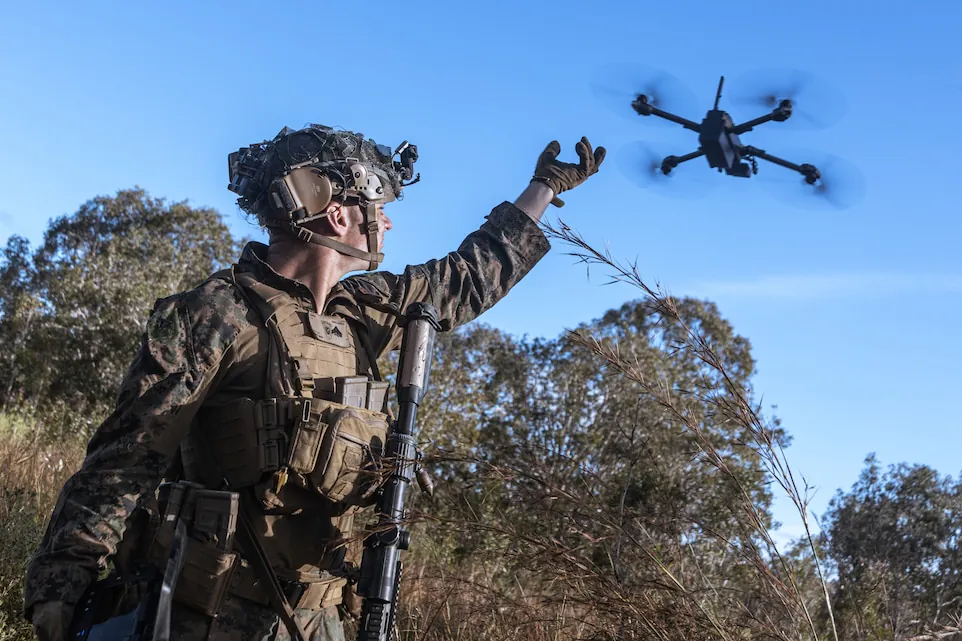
Agreements on paper and few facts: the Defense industry must start to accelerate
Until now, the response from the industrial sector has been slow, fragmented and too tied to the logic of major commercial announcements rather than the urgency of the front. Memoranda of understanding, joint ventures announced with great fanfare — such as those in the aerospace sector — and political protocols have drifted for months, or even years, without translating into active assembly lines and mass supplies.
The drone war does not wait for the pace of industrial bureaucracy or the delays of board meetings. Countries like Ukraine are churning out hundreds of thousands of devices per month, while Europe risks delegating its technological future at a steep price, indirectly financing foreign supply chains (often Chinese or extra-European) for basic components. The Defense industry must urgently start to accelerate, moving from negotiating tables to actual industrial production.
The industrial void in the drone war: accelerating on the ground component
Analyzing the state of the art of ministerial programs, a worrying fracture emerges at the heart of the drone war: while aerial systems enjoy advanced production and maritime vehicles are growing rapidly, unmanned ground vehicles (UGV) are still mostly in the development and design phase.
Infantry and troops on the ground continue to suffer from the lack of close tactical support, protected logistics and capillary ground reconnaissance. It is not enough to rely on large primary platforms or long-term contractual promises. Italy urgently needs an industrial ecosystem capable of guaranteeing high production volumes and very rapid technological update cycles in order not to succumb to adversary systems.
Doctrinal latency and the absence of a true drone strategy
Italian and European delay lies first and foremost in military doctrine and the regulatory framework, which struggle to keep pace with the speed of the drone war. Technology, including artificial intelligence, can accelerate decision support, but responsibility remains firmly with humans. The drone is a means and not an end; a tactical response that requires constantly trained, educated and updated human factors.
To close this gap, Defense cannot limit itself to experimenting with new command and control architectures or chasing commercial trends: a courageous regulatory overhaul is needed that unlocks and reshapes basic military training to make it consistent with the reality of today's conflicts.
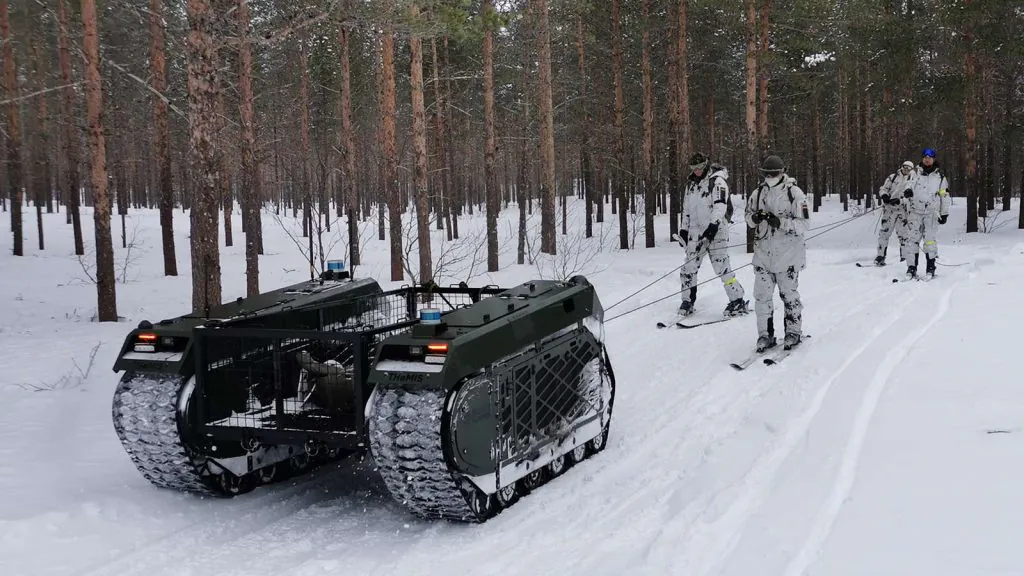
Every soldier a pilot: winning the drone war on the ground
The radical transformation imposed by the drone war requires overcoming old bureaucratic conceptions: every man and woman in uniform of the Italian Army must become a drone pilot.
Permanently integrating the piloting, management and maintenance of remotely piloted systems into the basic training of every soldier transforms the armed forces into a distributed and resilient organism. In the drone war it is no longer about creating niches of elite specialists, but about equipping the entire ground component with that widespread competence that today makes the difference between life and death on the field. Mass industrial production — detached from the slow pace of corporate diplomacy — and universal personnel training are the only true answers to guarantee national security.
Action priorities to win the drone challenge:
- Accelerate industrial production: Demand concrete results and operational assembly lines, moving beyond the phase of simple paper agreements.
- Close the gap in ground vehicles (UGV): Push targeted investments and mass production contracts for support drones for infantry.
- Reform doctrine and regulations: Adapt rules of engagement and training pathways to enable mass training of military personnel on remote systems.




Comments
No comments yet. Be the first!