




The Chief of the General Staff of the United Kingdom, General Roly Walker, has issued a clear and unequivocal warning: «The threat to NATO is real. And we don't have time». His statements, made during a speech at the Royal United Services Institute and reported by Newsweek, reflect a growing concern in the Western world about Russian aggression and the evolution of Moscow's military capabilities. Walker emphasizes the urgency with which the Atlantic Alliance must react: «We face very serious challenges. The biggest is the lack of time. A sense of urgency is needed to respond to threats».
Moscow's moves and American disengagement
The British general is not alone in this alarm. Andrius Kubilius, European Commissioner for Defense, recently stated in a hearing at the Italian Chamber that Russia could test NATO's solidity as early as 2027. This risk would increase in the context of a growing disengagement by the United States, which is shifting resources towards the Indo-Pacific, leaving Europe with a greater defensive burden.
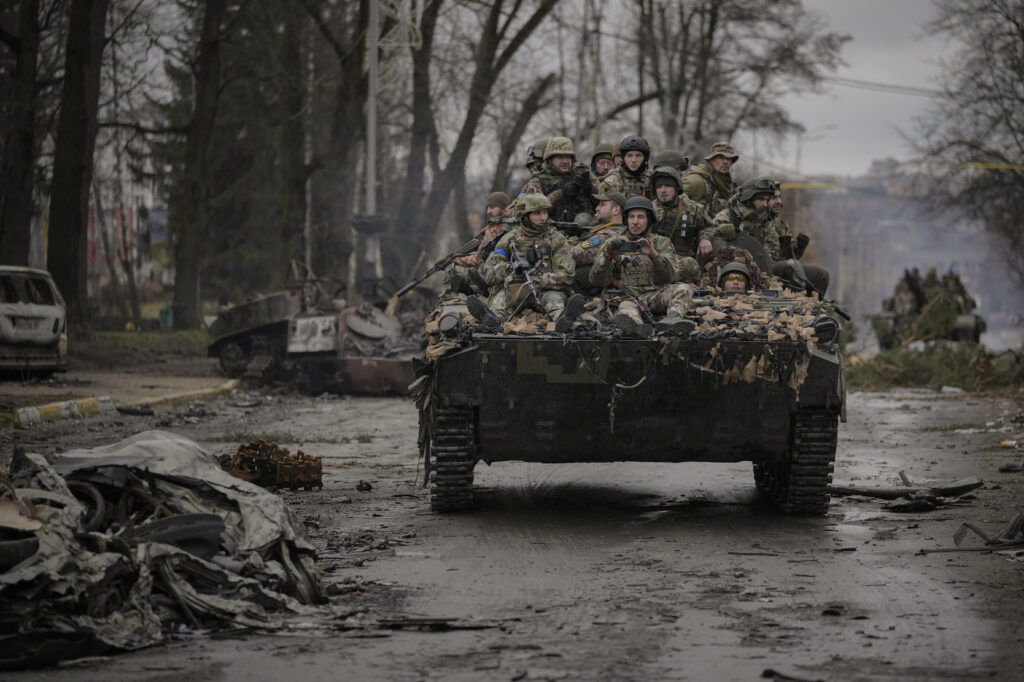
Recent Russian military activities along the borders with Finland, including the construction of new bases and the transfer of troops, reinforce the perception of a concrete and immediate threat. According to an analysis by Danish intelligence, published in February, Russia could be capable of launching a large-scale war against NATO within five years, especially if the US reduces its involvement.
The global context makes the situation even more unstable: Moscow has forged ties with China, North Korea, and Iran, strengthening an authoritarian front that deeply worries Western democracies. NATO Secretary General Mark Rutte recalled Churchill's famous speech in 1936: «Will there be time to prepare our defenses or will we hear the words 'too late' again?».

The United Kingdom responds: a new era of threats
Confirming the seriousness of the situation, the United Kingdom has defined Russia as an "immediate and pressing threat" in its new strategic defense review, a 130-page document prepared by a commission chaired by former NATO Secretary General George Robertson. This document highlights how drones, artificial intelligence, and new technologies are radically changing the face of war, making it faster, asymmetrical, and lethal.
The United Kingdom has also acknowledged the drastic numerical decline of its armed forces: the British army now has fewer than 71,000 personnel, the lowest figure since the end of the Napoleonic wars. The review suggests a short-term increase of 5,000 units, with a planned investment of 2.5 billion pounds a year.
Meanwhile, London and Paris are preparing to lead a multinational reassurance force of up to 30,000 men for peacekeeping in Ukraine, should a credible ceasefire be reached. But Moscow's intransigent behavior and the support received from China, Iran, and North Korea complicate any diplomatic negotiations.
Towards the June NATO summit: new spending thresholds
In view of the NATO summit in June in The Hague, there is discussion of raising defense spending to 3.5% of GDP by 2032, with an additional 1.5% allocated to cybersecurity and infrastructure. Some members are pushing to reach a total of 5%. This pressure also comes from the United States, particularly from the new Trump administration, which has reiterated the request for European allies to invest much more in their own security.
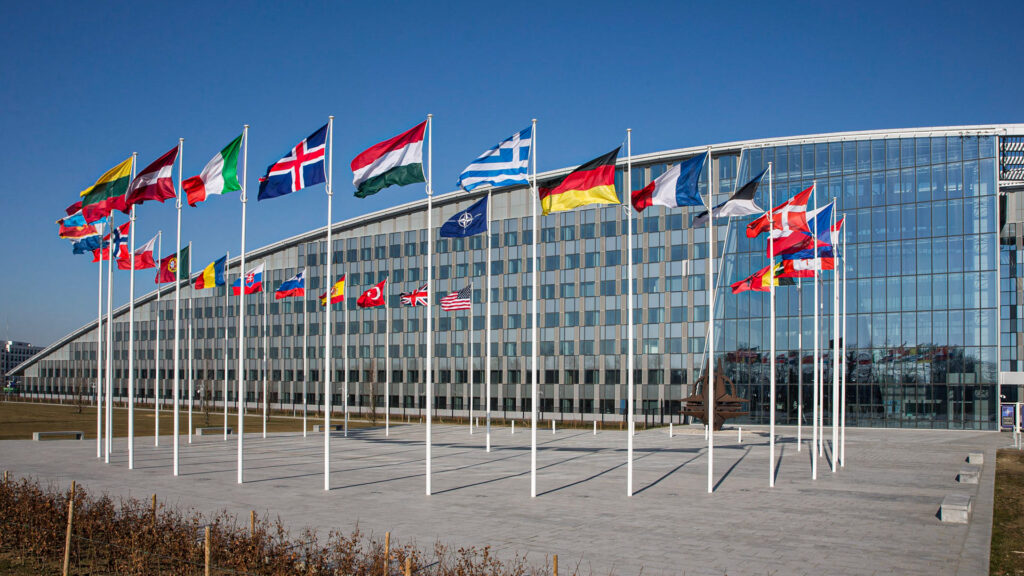
Walker stated: «We have received the memo», referring to the American intention to reduce its military presence in Europe. In this context, the responsibility for the continent's defense shifts decisively towards the Europeans.
The British general also emphasized the need to strengthen resilience not only with more spending but also with a different mindset: «It's not just about budget, it's about priorities and adaptability». A point also reiterated by Peter Ricketts, former national security advisor: «Artificial intelligence is crucial, but an important lesson from the war in Ukraine is that mass matters: men and means are needed».
Finally, the English strategic review also identifies China, Iran, and North Korea as "sophisticated and persistent challenges". China and Russia have intensified military and technological cooperation; Tehran supplies drones to Moscow and Pyongyang has even sent personnel in support.

Conclusions
The warning issued by the United Kingdom represents a wake-up call that Europe cannot ignore. The combination of an aggressive Russia, a NATO under pressure, and a less present America requires quick and coordinated responses. Europe's security can no longer be postponed: a new strategic paradigm is needed, more investments, more interoperability, and a shared political will to face a future that promises to be unstable and dangerous.




Comments
No comments yet. Be the first!