




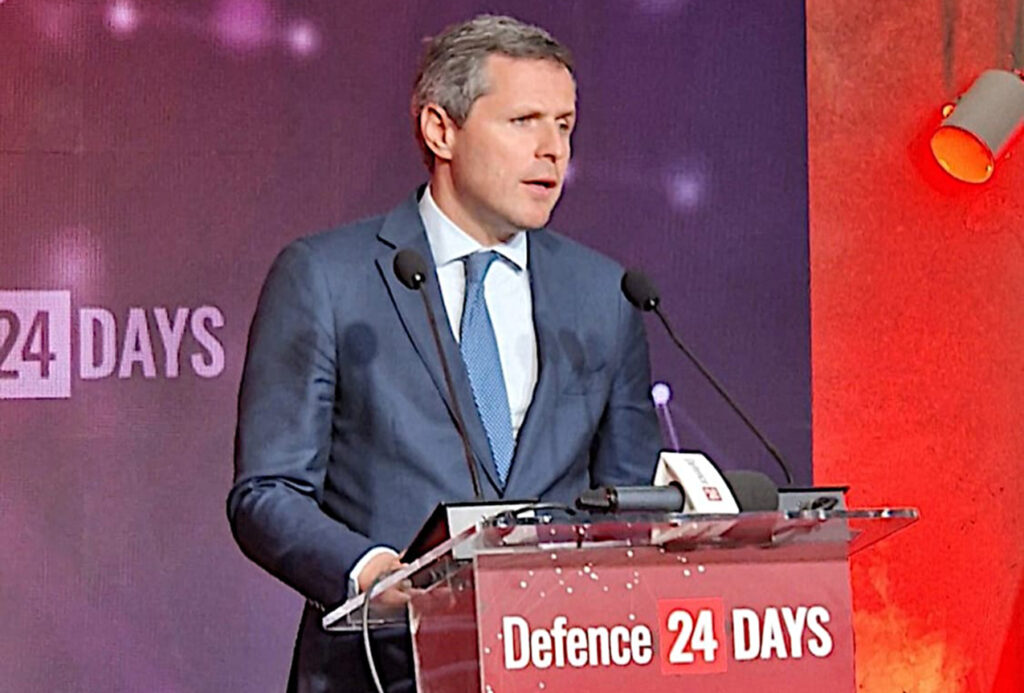
During the Defence 24 Days in Warsaw, Poland unveiled a threat that grows more each day: Russia's actions, increasingly direct and sophisticated against its security. The Polish Minister of Digitalization, Krzysztof Gawkowski, issued a warning: "Russia's main target in NATO is Poland". This is not just a strategic warning, but a call to arms, as in 2024 Russian intelligence services intensified attacks against the country, doubling operations, with as many as 600,000 direct cyberattacks.
These attacks not only concern cybersecurity but also include the destabilization of critical infrastructures such as waterworks, railways, and power plants. The use of techniques like GPS signal jamming in the Baltic Sea has become a practice, witnessing a hybrid war now fought in every corner of cyberspace. Furthermore, Russia is trying to undermine Poland's internal stability by interfering in the upcoming political elections through the spread of disinformation and social media manipulation. For the first time, Russia has even offered money to Polish citizens to spread fake news, an attack on democracy that Minister Gawkowski described as a betrayal of the State.
Poland's Response: Cyber Defense and Artificial Intelligence
In response to these threats, Poland has reacted with an ambitious defense plan, both technologically and humanly. Poland is indeed implementing one of the most advanced cyber defense apparatuses in the world. Gawkowski emphasized the importance of cooperation between armed forces, civil services, and public institutions to counter hacker attacks. The Joint Cybersecurity Center has become a central pillar of this defense.
But Poland does not stop here. In a context where the war of the future will not only be fought with traditional means but also with artificial intelligence, Poland is investing massively in the creation of an Artificial Intelligence Implementation Center (Cisi), which will help prepare its army for conflict in cyberspace. Along with AI technologies, Poland is also developing systems based on quantum technology and is preparing to build an entirely Polish quantum computer, which will further strengthen its cyber defense.

The Italy-Poland Axis: A Stronger and United Europe
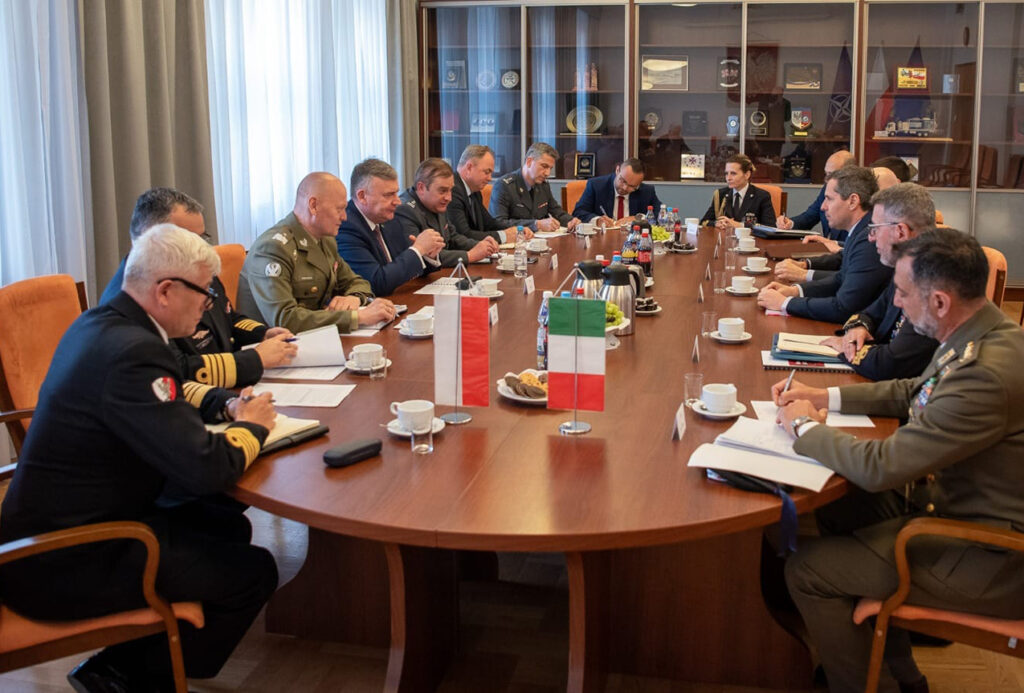
Poland is not alone in this battle. During the Defence 24 Days, the Italian Undersecretary of State for Defense, Hon. Matteo Perego di Cremnago, met with the Polish Secretary of State for Defense, Pawel Bejda, to strengthen cooperation between the two countries. This meeting highlighted the importance of NATO's Eastern Flank, a crucial region for the stability of the entire European continent. Perego emphasized how Italy and Poland, through joint commitment, can contribute to creating a solid and effective European defense capable of responding to global challenges.
Italy, for example, has actively participated in Air Policing operations with NATO's Eurofighters and F-35s, thus strengthening the security of Eastern Europe. Bilateral alliances, like that between Italy and Poland, have become essential for a common defense that overcomes threats from cyberspace and disinformation. Only a united Europe will be able to counter modern challenges and ensure the freedom and sovereignty of member states.




Comments
No comments yet. Be the first!