




June 10 is a date that celebrates the long journey of the Italian Navy, which is deeply rooted in historical tradition, yet constantly looking towards the future. Admiral Enrico Credendino, Chief of Staff of the Navy, emphasized the importance of combining tradition with modern technological challenges, particularly those related to the use of drones and the military innovation characterizing the Russian-Ukrainian conflict. This approach reflects a commitment to renewing Italian naval capabilities, which continue to operate in the Mediterranean and other strategically important areas.
The Navy, as observed by Admiral Credendino, faces an ever-evolving geopolitical landscape. While Europe was once perceived as a safe area, current tensions, with the conflict in Ukraine and Russian military activities in the Mediterranean, have radically changed international dynamics. In this context, Italy must tackle the challenge of monitoring and defending its waters, responding to threats effectively. The growing presence of Russian warships, as well as Moscow's strategic use of Libyan ports, represent scenarios that require constant vigilance and operational readiness.
The Italian Navy between Technological Innovation and Emerging Threats
A crucial aspect highlighted by Admiral Credendino is the intensification of cyber threats and the presence of Russian spy ships that, as confirmed, often follow Italian ships off the coast of Libya, disguised as fishing vessels but loaded with sensors and antennas. This situation reflects a new era of naval warfare, where technology plays a fundamental role in monitoring and protecting international waters. Italian ships, while operating in a context of potential conflict, have proven ready to respond, with the downing of Houthi drones in the Red Sea, where Italian units shot down a total of eight drones, three with onboard artillery and five with missiles. This episode underscores the effectiveness of Italian forces in countering emerging threats in a high-tech context.
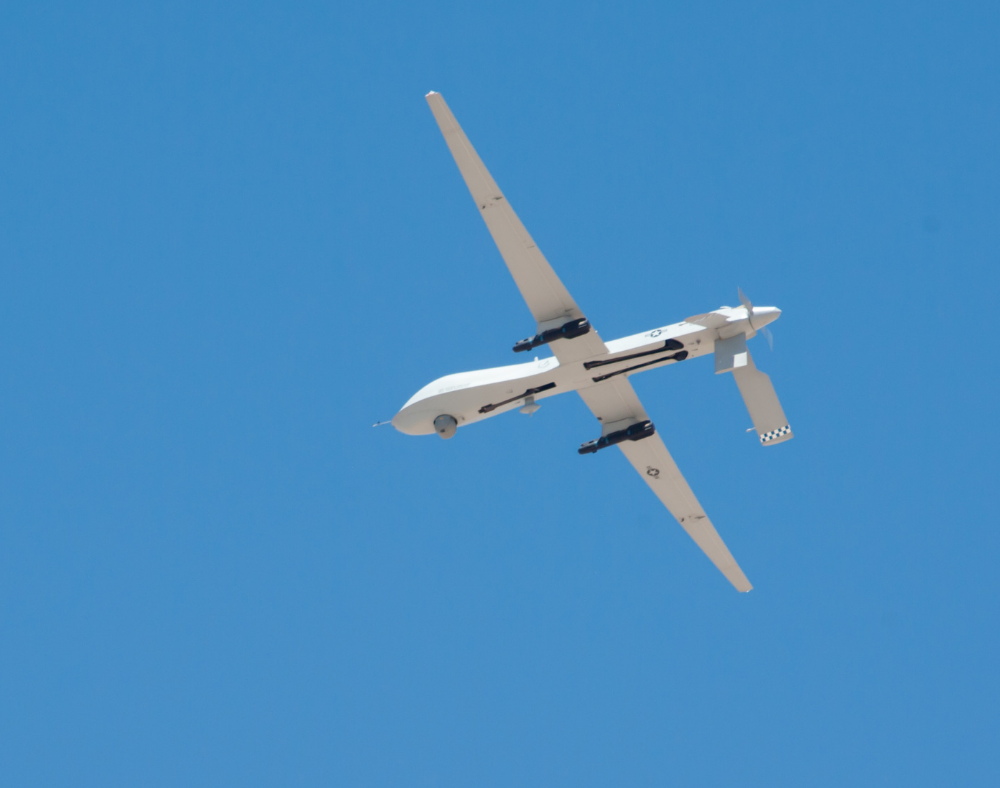
Admiral Credendino also spoke about strengthening international cooperation, particularly with the American naval forces, which has led to joint operations. This type of collaboration among allied navies has improved interoperability and allowed for a rapid response to common threats, creating a secure environment in the Mediterranean and beyond.
The Future of the Italian Navy: Preparedness and Resilience for Global Challenges
Looking to the future, the Italian Navy is strengthening its capabilities, with projects that include the introduction of advanced marine drones and innovative defense systems. One of the most significant developments concerns the creation of a technological hub in La Spezia for submarine warfare, aimed at developing advanced solutions to combat emerging threats such as drones and enemy submarines. Additionally, the Navy is exploring the use of swarm drones to protect specific areas in the sky and ensure the safety of international waters.
Admiral Credendino also emphasized the importance of increasing human resources, with the goal of expanding from the current approximately 28,700 personnel to 39,000 sailors. This growth in personnel is essential to ensure the operational continuity of Italian naval forces in a context of increasing global challenges. The enhancement of human capabilities, together with technological developments, will ensure the Italian Navy's ability to respond promptly to any threat, whether conventional or technological.

In conclusion, the Italian Navy is adapting to new geopolitical and technological realities with determination and a spirit of innovation. The integration of tradition and modernity, combined with increasingly close international cooperation, will allow Italy to maintain a prominent position in the defense of international waters and the protection of global interests. With a strong investment plan and a strategic vision looking to the future, the Italian Navy is preparing to face the challenges posed by the modern world, strengthening its role in global defense and security.




Comments
No comments yet. Be the first!