




Il panorama geopolitico internazionale sta attraversando una fase di trasformazione profonda, definita da sfide senza precedenti e da una crescente frammentazione degli equilibri tradizionali. Già all’inizio dell’anno, del resto, l’analisi lungimirante pubblicata da brigatafolgore.net nel saggio del 19 gennaio 2026 dal titolo “Canada tra dazi USA, ‘tentazioni territoriali’ e Cina: e se l’Europa offrisse un’ancora (quasi) naturale?” aveva intuito la traiettoria di questa convergenza transoceanica. Oggi quell’intuizione trova piena rispondenza nella realtà istituzionale. In questo scenario di “gelida fragilità” globale, le istituzioni europee hanno deciso di imprimere una svolta radicale alla propria proiezione estera e di sicurezza. L’annuncio della presidente della Commissione Europea, Ursula von der Leyen, nel corso del suo discorso sullo Stato dell’Unione, volto a inaugurare l’iter per accogliere il Canada come primo Stato membro associato dell’Unione Europea, rappresenta un evento spartiacque. Superando i confini del precedente accordo commerciale CETA per evolvere verso una compiuta “Alleanza per il futuro”, l’Europa e Ottawa suggellano un asse destinato non solo a rinsaldare i legami tra democrazie liberali, ma a eleggere il Vecchio Continente e i suoi partner a nuovo centro di gravità globale.
Questa mossa strategica, pur suscitando reazioni di aperta ostilità d’Oltreoceano – esemplificate dalle minacce di pesanti dazi commerciali formulate da Donald Trump contro i prodotti europei in caso di prosecuzione dell’accordo – dota l’Unione di una marcia in più in termini di autonomia, sicurezza economica, politica e militare.
Un nuovo baricentro geopolitico: l’Europa più autonoma e sicura
L’associazione del Canada all’Unione Europea risponde a un’esigenza esistenziale: emanciparsi dalle vulnerabilità sistemiche generate dalla dipendenza unilaterale e dalle fluttuazioni di alleati storici rivelatisi imprevedibili. Di fronte alle pressioni esterne e alle spinte isolazioniste o aggressive che giungono da più parti del globo, l’asse Bruxelles-Ottawa configura uno spazio economico, normativo e di sicurezza comune vastissimo.
Come sottolineato da von der Leyen, la partnership non è pensata in chiave aggressiva contro terzi, bensì come uno strumento di rafforzamento della forza comune europea. Tuttavia, il valore geostrategico di questa integrazione risiede proprio nella capacità dell’Europa di proiettarsi al di fuori del proprio perimetro geografico tradizionale, dialogando da pari a pari con le superpotenze.
Value convergence based on defending democracy and rejecting an international order in which power belongs to the strongest or to those who shout loudest cements a cohesive bloc. This associated member status, while requiring a path of regulatory harmonization and a creative interpretation of treaties, endows Europe with unprecedented strategic depth, making it less permeable to external interference and decidedly more autonomous in foreign policy and trade decisions.
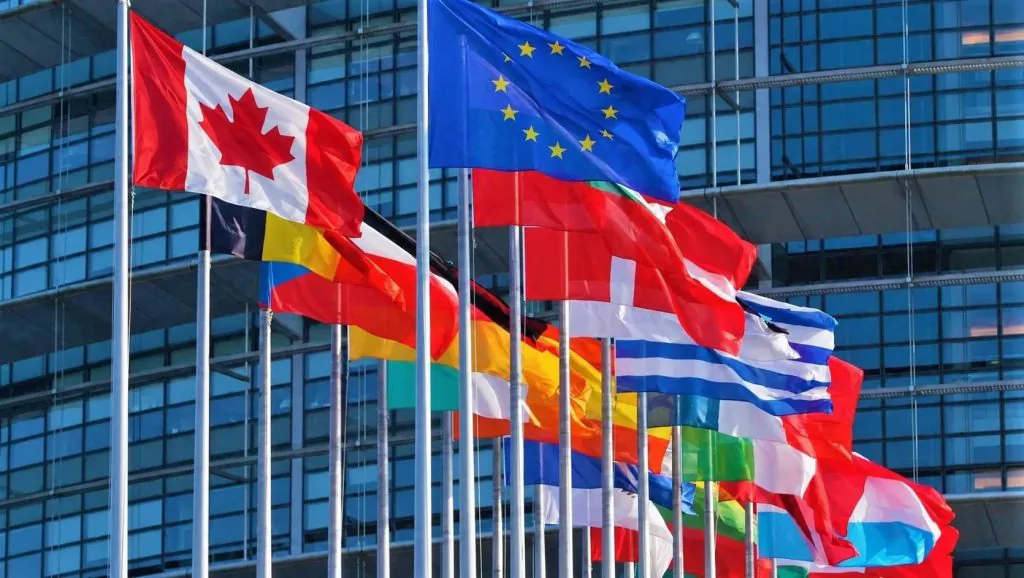
Energy security and raw materials: the strategic weight of Canadian oil reserves
From an economic and industrial standpoint, Canada's integration into the European sphere represents an unparalleled multiplier of power. Among the pillars of this strengthened cooperation are the energy, technological, and critical minerals sectors.
In particular, Canada holds a crucial role in the global energy landscape: it is the world's fourth largest oil producer and boasts the fourth proven oil reserves on the planet (quantified at approximately 163 billion barrels, largely concentrated in oil sands). To date, the vast majority of Canadian crude exports have been absorbed by the United States market.
Canada's insertion into an architecture of privileged partnership and common market with the European Union opens extraordinary scenarios for European energy security. At a time when the continent has had to painfully sever traditional energy ties, access to a democratic, stable partner endowed with immense oil and mineral resources guarantees European industry and citizens long-term protection against price shocks and geopolitical blackmail. To this is added the joint control and development of Arctic routes, a region destined to become the backbone of trade and global security in the twenty-first century.
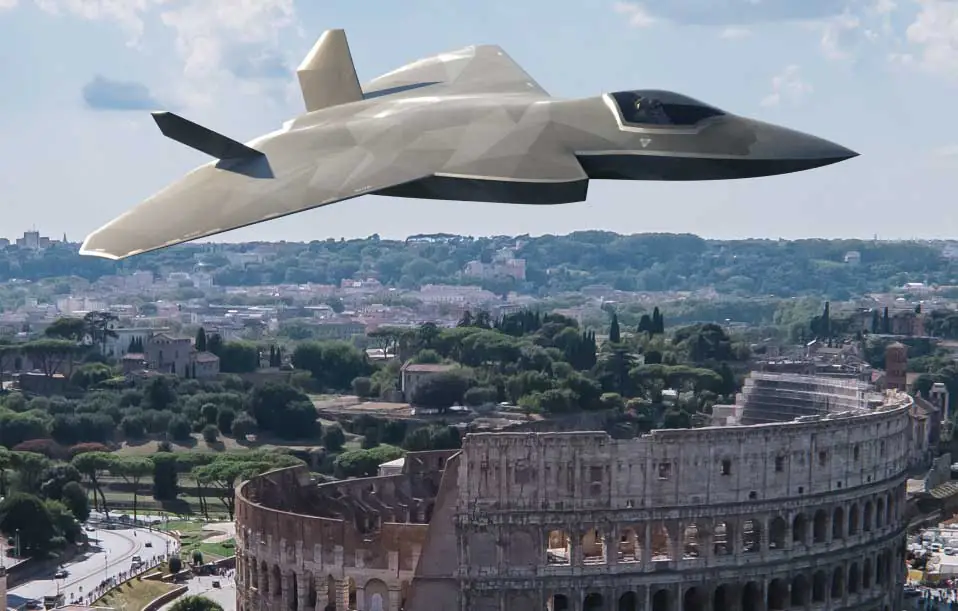
The impact on defense and the driving force for the GCAP project
The strengthening of European autonomy inevitably passes through the defense sector and technological-military deterrence. In this context, the alliance with Canada and the creation of expanded security formats (such as the European Security Council extended to key partners) are part of a strategy of strategic emancipation that finds in major joint industrial programs its armed wing.
A sector that can draw immense benefits from this climate of advanced technological cooperation and the pursuit of operational autonomy from the standards imposed by Washington is the aerospace and new-generation defense sector, with particular focus on the GCAP (Global Combat Air Programme). The GCAP, the triumphant initiative already involving Italy, the United Kingdom and Japan in the development of a sixth-generation fighter, is founded on principles of equality of rights, technological sovereignty and full freedom of modification at national level.
The opening of such a tight channel of cooperation between Europe and an advanced technological partner from the Commonwealth and North America like Canada offers the European defense industrial hub a formidable additional thrust. The sharing of expertise in artificial intelligence, advanced materials and complex electronic systems – areas explicitly cited in the alliance with Ottawa – can serve as a catalyst to expand the supply chain and scientific base of GCAP or related projects. This strengthens the capacity of the European industrial base to compete on equal terms in global markets, freeing itself from rigid export constraints or political conditioning by third parties, and consolidating a technologically unsurpassable defense ecosystem.
Next stop UK
The opening of the institutional construction site for the first associated Member State of the European Union does not represent an isolated point of arrival, but the geopolitical precedent destined to redefine the entire architecture of pan-European relations. Canada's entry into this unprecedented form of deep partnership inevitably refocuses attention on London and the future of post-Brexit relations. Many observers within the Strasbourg hemicycle are already questioning why the United Kingdom did not have priority in a process of such magnitude. However, Brussels' move traces a clear route: if an Atlantic and economic pillar of Canadian caliber can integrate stably into the continental market and security mechanisms without going through full formal membership, a preferential and pragmatic corridor opens for the United Kingdom as well. A future convergence or similar associated status for London would definitively mend the Brexit rift, further strengthening the continent's security, enhancing shared military programs – such as GCAP itself, which already sees Italy and Great Britain in the lead – and completing the squaring of the circle of a Europe capable of speaking with one voice from Gibraltar to the Arctic.
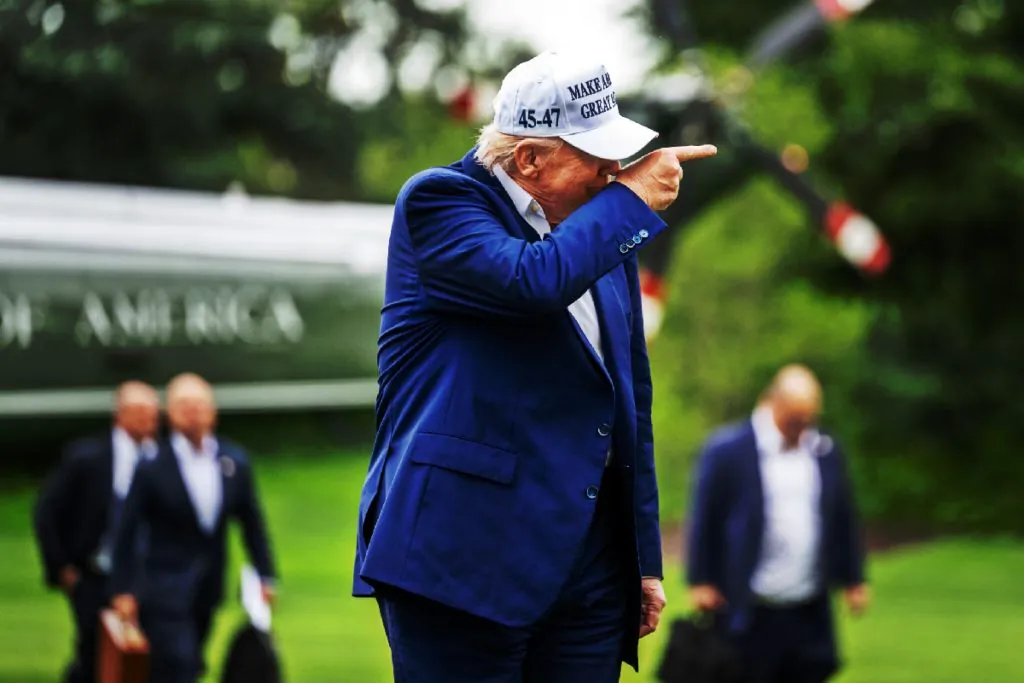
Resistance, Trump's threats and the vision for the future
Naturally, a project of such geopolitical magnitude is not exempt from obstacles and internal and external resistance. The irritated reaction of U.S. President Donald Trump, who has threatened extremely heavy punitive tariffs against European products, testifies to how much Brussels' move hits the mark, annoying those who would want a subordinate Europe in their commercial cycles. In this muscular clash, it is clear that attacking historical allies comes at an extremely high price: demanding to subordinate the foreign policy of global partners through commercial extortion only accelerates the geopolitical detachment of the United States. The drift toward American isolationism risks proving to be for the United States the equivalent of what Brexit was for the United Kingdom—an act of strategic self-seclusion that marginalizes Washington from the major decision-making hubs of the planet, pushing Western democracies to fend for themselves and find new centers of stability elsewhere. Within the European hemicycle too, there have been critical voices—coming mainly from conservative and nationalist blocs—that have viewed the initiative with apprehension as a frontal challenge to the traditional transatlantic ally.
However, as Ursula von der Leyen strongly reiterated, the European Union cannot remain hostage to global fragmentation or the fragility of its historic partners. The response to hybrid crises, the protection of supply chains, the safeguarding of liberal democracy and the enhancement of strategic assets such as oil and cutting-edge technologies require political courage.
Conclusions
Canada's association with the European Union outlines the contours of a Super-Europe aware of its own strengths. By combining the manufacturing and technological power of the Old Continent with the immense energy, territorial and strategic wealth of Ottawa, the Euro-Canadian axis is positioned to become the true pillar of planetary stability. In this context, advanced sectors such as defence and pioneering programs such as GCAP find fertile ground for accelerating towards an irreversible strategic independence, demonstrating that Europe knows how to be the guardian of its own destiny.




Comments
No comments yet. Be the first!