




The Mediterranean has always been a crossroads of geopolitical interests, a stage where regional stability is inextricably linked with global security. In this context, Sicily assumes the role of a strategic outpost for Italy and the Atlantic Alliance. Existing infrastructures, such as the vital Sigonella base, and the presence of military units ready for action, like the Aosta Brigade, are fundamental pillars of this projection of force. To these is now added a topic of discussion that, unexpectedly, has entered the orbit of defense investments: the Bridge over the Strait of Messina. The idea of classifying this work as strategic for NATO, thus falling within the 5% of GDP required for defense, is opening new perspectives and heated debates.

Sigonella: The Beating Heart of Security in the Mediterranean
The Naval Air Station Sigonella, located in the plain of Catania, is not just a military base; it is a true operational epicenter in the Mediterranean. Its geographical position, equidistant from crisis areas such as North Africa and the Middle East, makes it indispensable for maritime surveillance operations, intelligence, logistical support, and force projection. Since its foundation, Sigonella has seen a constant flow of military aircraft, advanced drones, and personnel from various NATO nations, primarily American, confirming its status as a crucial hub for security and anti-terrorism missions.
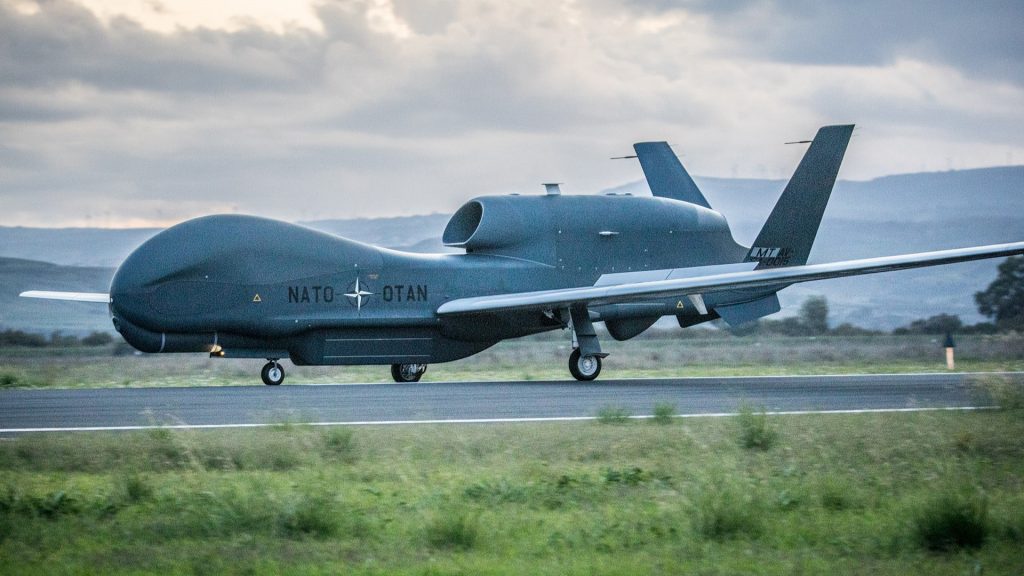
Its importance has grown exponentially in recent years, in a context of increasing geopolitical uncertainties. Sigonella's ability to host a wide range of aerial assets, including the sophisticated P-8 Poseidon for anti-submarine warfare and the Global Hawk drones for long-range surveillance, makes it an indispensable tool for information gathering and rapid response. It is the center from which NATO's influence radiates, ensuring the security of maritime routes and the ability to intervene in complex scenarios.
The Aosta Brigade: A Strategic Presence Rooted in the Territory
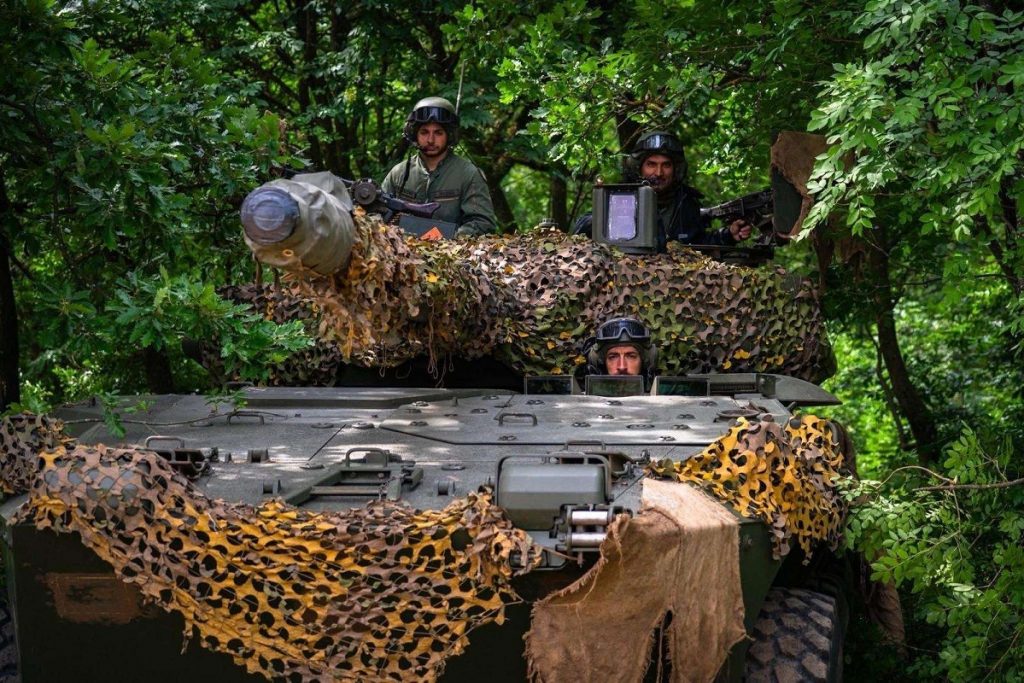
Complementary to Sigonella's air power is the presence on the territory of the Mechanized Brigade "Aosta". With its command in Messina and its units deployed in various Sicilian provinces, the Aosta Brigade represents an essential land component of the Italian Armed Forces. This Large Elementary Unit, with its rich operational history in both national and international missions, embodies the readiness and flexibility of the Italian Army.
Its deployment in Sicily is not purely coincidental; it is a strategic choice that ensures robust intervention capability in an area of vital national and NATO interest. The Aosta Brigade is trained for a wide range of operations, from territorial control to support in case of natural disasters, to participation in complex operational theaters abroad. Its proximity to the potential site of the Bridge over the Strait, and the synergy with Sigonella, make the Aosta Brigade a key element for the mobility and reactivity of the forces, capable of providing essential land support in any crisis scenario that may affect the region.
The Bridge over the Strait: The Unexpected Axis with NATO's 5% Spending
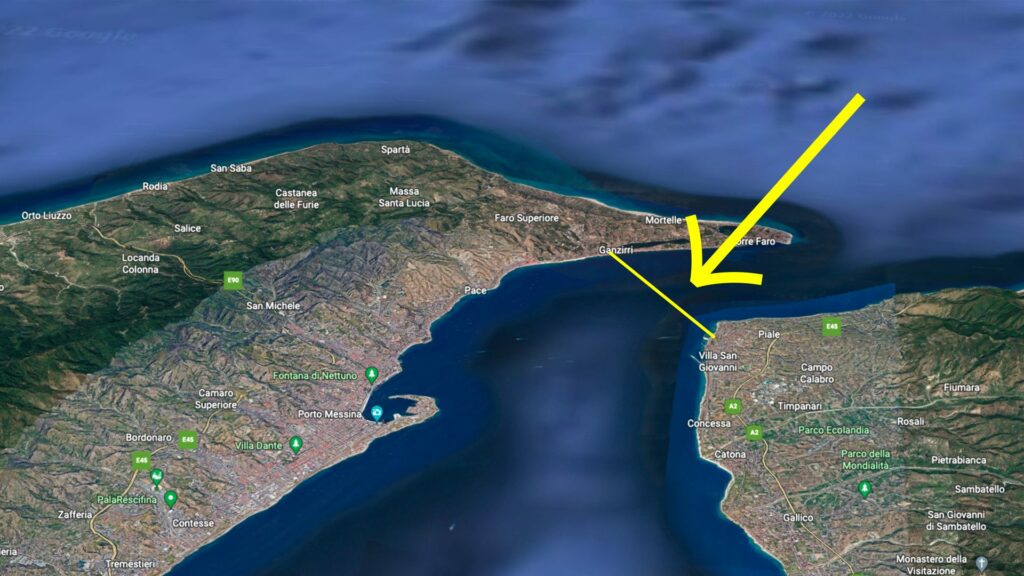
The Bridge over the Strait of Messina, a decades-old and controversial project, has found an unexpected ally in NATO's military spending strategy. As suggested by personalities like former President Donald Trump and advocated by Deputy Prime Minister Matteo Salvini, the work could be classified as "military strategic," allowing its costs, estimated at over 13 billion euros, to be included in the 1.5% of GDP that the Atlantic Alliance has allocated to strategically relevant infrastructures, within the overall 5% GDP target for defense.
This "creative finance" is based on the argument that the Bridge would significantly facilitate the movement of men and equipment of the Italian and allied armed forces. A government report, cited by Politico Europe, highlights how the construction of the Bridge would streamline military logistics, strengthening national and international security. The hypothesis, however bold, is that in crisis scenarios, such as a hypothetical invasion, the rapid deployment of troops would be crucial, and the Bridge would represent an enabling factor.
The position of the Italian government is clear: the connection between Sicily and the peninsula is considered a "strategic axis for civil and military logistics in the Mediterranean," perfectly in line with NATO's "Military Mobility Action Plan." Italian requests within the Alliance have been accepted, distinguishing 3.5% for strictly military expenses and 1.5% for security in a broader sense, a flexibility that could accommodate the Bridge project.
Conclusions: A Future of Connection and Security for Southern Italy
The discussion on the Bridge over the Strait of Messina, placed in the context of NATO spending objectives, highlights a convergence of military and civil interests. On one hand, infrastructures like the Bridge can contribute to defense spending, while on the other, they also respond to civil development and connectivity needs. Southern Italy, with its still lacking infrastructures (such as single-track railways), could benefit from investments that, although born from military needs, would have positive repercussions on socio-economic development.
The European Commission, while leaving Italy the main assessment on the nature of the work, has indicated the possibility of using the national safeguard clause for the activation of such expenses. This means that the Bridge, paid for with national resources or with European co-financing, could still contribute to reaching the 5% NATO spending target in the component dedicated to security.
Ultimately, the synergy between the solid military presence of Sigonella and the Aosta Brigade, combined with the vision of a Bridge over the Strait as a strategic asset, paints a picture of strengthening Italian capabilities in the Mediterranean. This perspective, while fueling a heated debate, underscores the importance of investing in an infrastructure that, beyond its civil impact, could consolidate Italy's role as a pillar of Euro-Mediterranean security, ensuring greater agility and reactivity of forces in an increasingly crucial area of the world.




Comments
No comments yet. Be the first!